







Search Results for: Geisha comparison
Bolivia Java vs. Panama Geisha Comparison: A Full Analysis of Bean Characteristics, Roast Profiles, and Flavor Differences
Geisha has become a star variety in the coffee world thanks to its unique floral and fruity aromas, while Bolivian Java has attracted much attention because of its "cousin" relationship with Geisha. Front Street Coffee (FrontStreet Coffee) takes Panama Janson Estate Geisha and Bolivian Java as its subjects and conducts a comprehensive comparison from variety origin, green bean appearance, roasting records, and cupping performance to brewing parameters. The article sorts out the specific differences between the two beans in sweetness, acidity, aftertaste, and complexity, and includes Front Street's roasting curves and brewing plans. Whether you want to learn about the legendary story of Geisha or are curious about the actual performance of the Java variety, this comparison can provide a clear reference. [more…]
What exactly are the differences between Gesha Village and other Ethiopian estates' Geisha? An analysis of varieties, grading, and cupping comparison
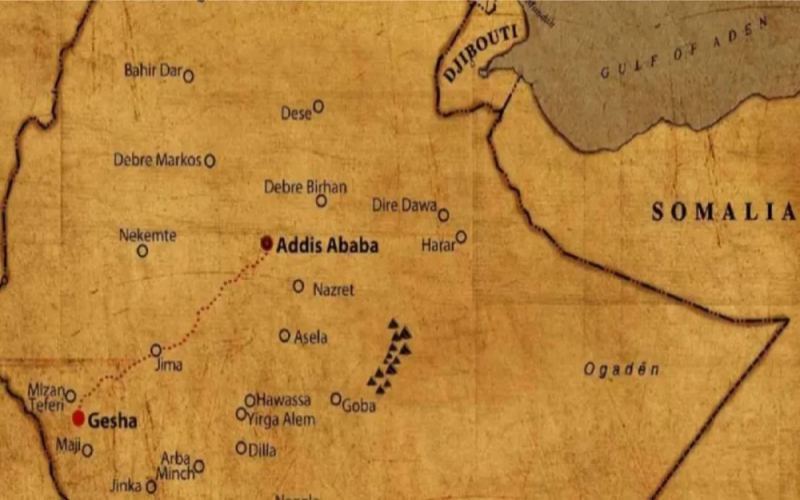
Although Geisha coffee rose to fame in Panama, its varietal roots can be traced back to the Gori Gesha forest in Ethiopia. Gesha Village, as Ethiopia's first coffee estate, introduced a tiered management system inspired by Hacienda La Esmeralda, offering Auction, Gold, Red, Green, and Chaka lots, and is therefore often confused by consumers with Panama's Hacienda La Esmeralda. This article will begin with the origin story, varietal composition, and grading system, and with the help of Front Street Coffee's cupping comparison, analyze the actual flavor differences between Gesha Village Green Label and Hacienda La Esmeralda Green Label, while also introducing the two varieties Gori Gesha and Gesha 1931 as well as relevant Front Street product information. [more…]

Panama Emerald Red Label vs. Gesha Village Gold Label: A Side-by-Side Comparison—Which of the Two Top Geshas Is More Worth Buying?
Geisha coffee has always been a top-topic in the specialty coffee world, and on Front Street Coffee's bean list, Hacienda La Esmeralda's Red Label and Gesha Village's Gold Label are exactly the two that many enthusiasts find themselves torn between when first encountering Geisha. These two beans each represent the highest grade of their respective estates, yet because of the "red" and "gold" in their Chinese names, many people can't tell which is which. They differ not only in price, but also in variety origin, growing terroir, and flavor performance. This article systematically sorts out the similarities and differences between these two top Geishas for Front Street Coffee's customers—from naming logic and variety tracing to origin environment and actual cupping comparison—to help you find the cup that suits you best. [more…]
Gesha Village vs. Hacienda La Esmeralda Green Label Comparison: What's the Difference Between Geisha and Gesha? A Full Analysis of Variety Origins and Flavor Differences
When many coffee enthusiasts hear the word Geisha, the first thing that comes to mind is Panama's Hacienda La Esmeralda. But the Geisha variety actually originated in Gesha Village in Ethiopia. Front Street Coffee recently acquired both Hacienda La Esmeralda's naturally processed Green Label and Gesha Village's Green Label Geisha, and conducted a detailed flavor comparison of these two Green Label coffees through cupping and pour-over brewing. This article will guide you through the differences between Gesha Village and Hacienda La Esmeralda in terms of grading systems, variety origins, processing methods, and roasting approaches, and present their specific performances in aroma, acidity, sweetness, and aftertaste, helping you more clearly understand the relationship and differences between Geisha and Gesha. [more…]
Gesha Village vs. Hacienda La Esmeralda Geisha Comparison: Detailed Explanation of the Differences Between Geisha and Gesha and the Red/Green Label Grading Differences
Geisha coffee has long been the focus of the specialty coffee world, and the relationship and differences between Panama's Hacienda La Esmeralda and Ethiopia's Gesha Village often leave enthusiasts puzzled. Front Street Coffee recently acquired both Hacienda La Esmeralda's Natural Green Label and Gesha Village's Green Label, conducting a flavor comparison through both cupping and pour-over methods. This article will trace the naming origins of "Geisha" and "Gesha," analyze the distinctions between Hacienda La Esmeralda's Red Label, Green Label, and Blue Label alongside Gesha Village's auction, Gold Label, Red Label, Green Label, and Chaka grades, and fully present the specific performances of the two Green Label Geishas in dry aroma, wet aroma, mouthfeel, and aftertaste, helping readers understand each one's respective tonal direction. [more…]
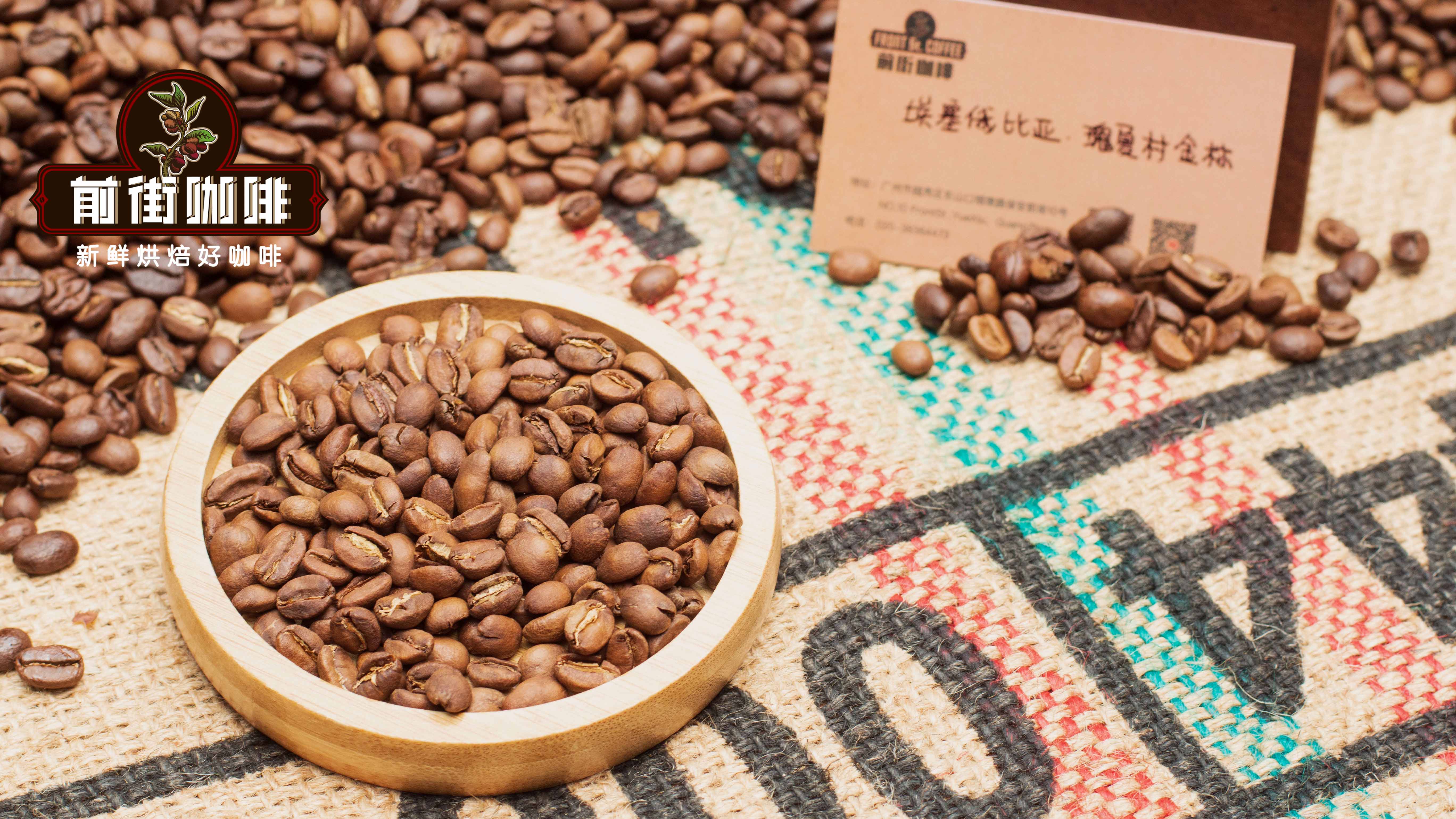
From Ethiopian Heirloom to Panama Hacienda La Esmeralda: A Comparison and Flavor Analysis of Geisha Coffee's Two Major Producing Regions
Geisha coffee is one of the most sought-after varieties in today's specialty coffee world, but many people don't know that its roots actually lie in Ethiopia. This article will take you through the journey of Geisha from Ethiopia's native forests to Panama's Hacienda La Esmeralda, and compare the similarities and differences between Geisha coffees from two major origins—Ethiopia's Gesha Village and Panama's Hacienda La Esmeralda—in terms of bean morphology, processing methods, and flavor expression. It will also introduce several Geisha products selected by Front Street Coffee, including Front Street Gesha Village Red Label, Gold Label, and Front Street Emerald Red Label, and present their flavor differences through actual cupping data, helping you gain a more comprehensive understanding of the diversity of Geisha coffee. [more…]
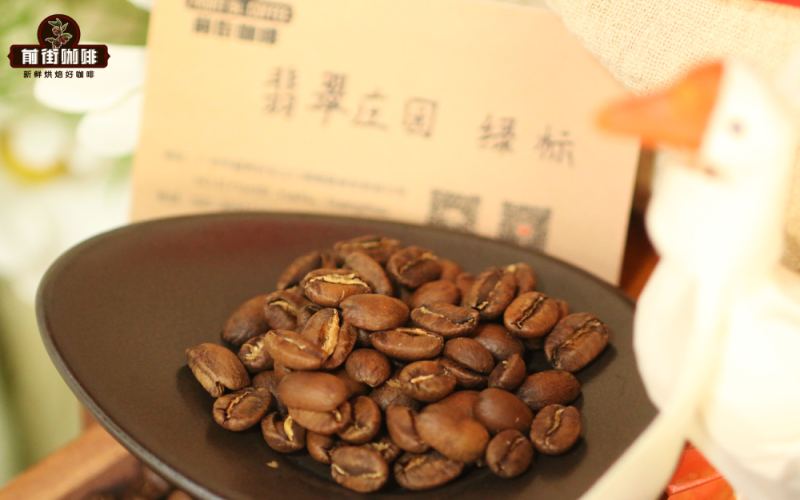
Panama Geisha Horizontal Comparison: Flavor Differences Between Hacienda La Esmeralda and Janson Estate Red/Green Labels and Brewing Recommendations
Many estates in Panama grow Geisha. Besides the famous Hacienda La Esmeralda, Hacienda Janson also produces high-quality Geisha. The two differ in geographical location, processing methods, and cupping performance. This article systematically compares Hacienda Janson with Front Street Coffee's Esmeralda Red Label and Green Label Geisha, covering terroir, harvesting and processing, grading systems, and actual flavor comparisons. It also includes reference parameters for pour-over brewing, helping coffee enthusiasts understand the subtle differences between sun-dried Geisha from different estates and find the one that suits their taste. [more…]
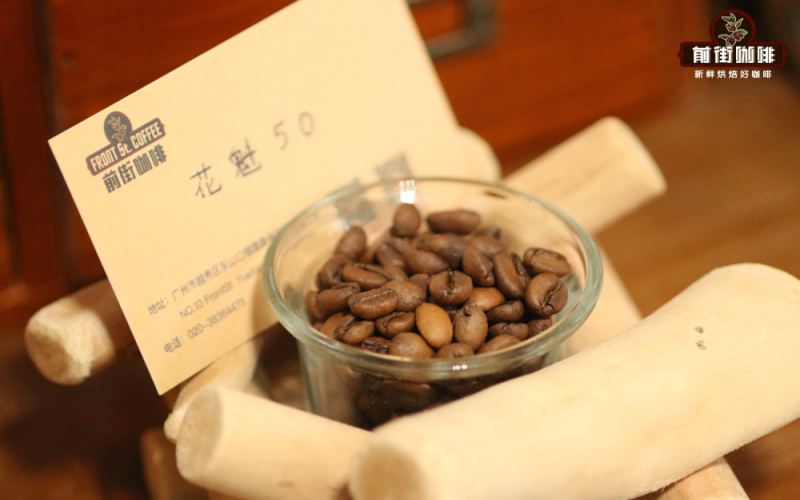
Ethiopian Huakui Coffee Flavor Evolution and Pour-Over Parameters: A Comprehensive Comparison from 5.0 to Small-Bean Huakui
The 2021 new-crop Huakui 5.0 coffee beans arrived at port as scheduled, and Front Street Coffee completed roasting and cupping at the first opportunity, then compared them in brewing with the much-loved Small-Bean Huakui. This article provides a detailed analysis of the flavor differences between the two beans, pour-over parameters, traces the origin of the name Huakui and the natural processing method, reviews the flavor evolution of Huakui versions 2.0 through 5.0, and includes the complete roasting records of Front Street’s five Sidamo Huakui lots. Whether you want to understand the past and present of Huakui or are looking for a reliable brewing plan, this article offers thorough and practical reference. [more…]
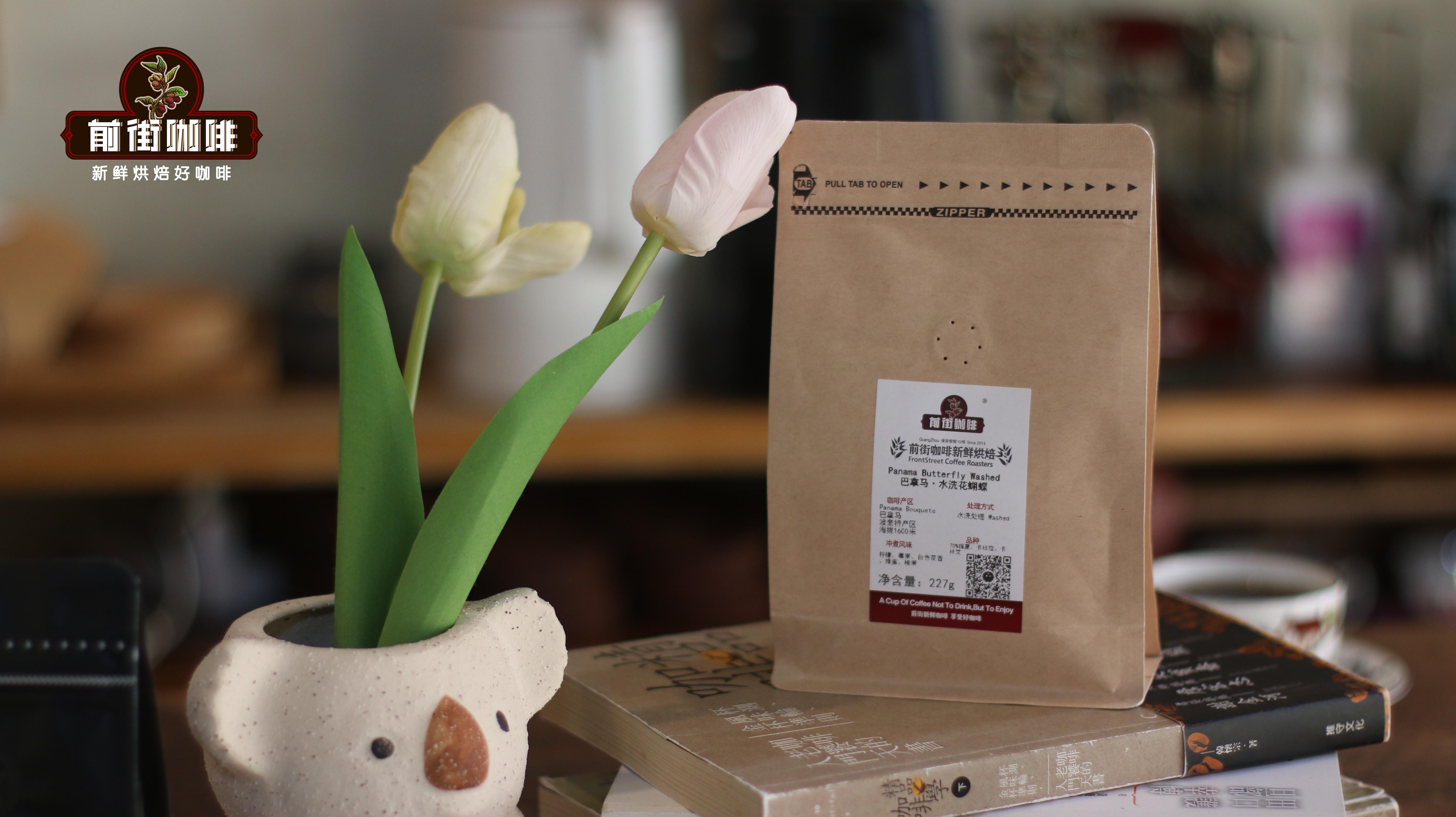
Analysis of the Differences Between Natural and Washed Coffee Bean Processing Methods: A Flavor Comparison of Two Gesha Blend Butterfly Varieties
The same coffee beans can present completely different flavor profiles simply because of different processing methods. This article takes Front Street Panama Boquete Butterfly, a Geisha blend, as an example, and analyzes it one by one from variety composition and regional characteristics to the principles and pros and cons of the two processing methods, natural and washed. Through an actual cupping comparison, Front Street Washed Butterfly shows a clean profile of white floral notes and black tea, while Front Street Natural Butterfly leans toward a rich style like tropical fruit red wine. If you are also wondering which is better, natural or washed coffee, or want to understand the ins and outs of Geisha blends, this article will provide you with a clear answer. [more…]
Geisha Pour-Over Coffee Brewing Parameters and Flavor Characteristics: Coffee-to-Water Ratio, Water Temperature, and Flavor Comparison of Geisha from Different Origins
Geisha coffee is hailed as one of the best coffee beans in the world, renowned for its extraordinary flavor and aroma. From Hacienda La Esmeralda in Panama to Gesha Village in Ethiopia, Geisha from different origins each has its own distinctive characteristics in bean shape, flavor, and brewing performance. This article will guide you through the origins and rise to fame of Geisha coffee, compare the flavor differences between Panamanian and Ethiopian Geisha, explain the true meaning of grading labels such as Red Label, Green Label, and Gold Label, and share Front Street's brewing parameters and techniques for Geisha coffee, helping you maximize the delicate floral notes and layered complexity of this precious coffee. [more…]
Geisha vs. Yirgacheffe Flavor Comparison: Washed Yirgacheffe Konga Cooperative Coffee Bean Analysis
Yirgacheffe and Geisha—one is the classic entry point for coffee lovers, the other an expensive legend in the coffee world. Both are known for their floral aromas and fruity acidity, yet they have vastly different prices and flavor profiles. This article starts with Front Street Yirgacheffe Konga Cooperative, outlining the background of Ethiopia's Yirgacheffe region and specific information about the Konga Cooperative, and compares the brewing performance and flavor trajectory of Front Street Panama Emerald Estate Green Label Geisha. If you're curious why Yirgacheffe is often seen as a budget alternative to Geisha, and how the two differ in the citrus, berry, lemon tea, and creamy textures they present across high, medium, and low temperature stages, this article will provide clear answers. [more…]
Analysis of Huakui and Geisha Coffee Beans: Origin, Flavor Characteristics, and Pour-Over Parameter Comparison
Huakui and Geisha—one is a rising star from Ethiopia, the other a legend from Panama's Hacienda La Esmeralda. The two are often mentioned in the same breath, but how exactly do they differ in variety background, naming origin, and flavor expression? From the perspective of Front Street Coffee, this article traces Huakui coffee's path to fame, processing station information, and the patterns of its batch evolution, and provides Front Street's standard pour-over recipe, while also comparing Geisha's naming origins and flavor grade differences. Whether you are a beginner just getting into specialty coffee or a veteran eager to delve deeper into the stories of the producing regions, you will gain clear insights from it. [more…]
Showdown on the Tip of the Tongue: Flavor Differences and Cupping Comparison Analysis of Front Street Natural Geisha and Washed Blue Mountain
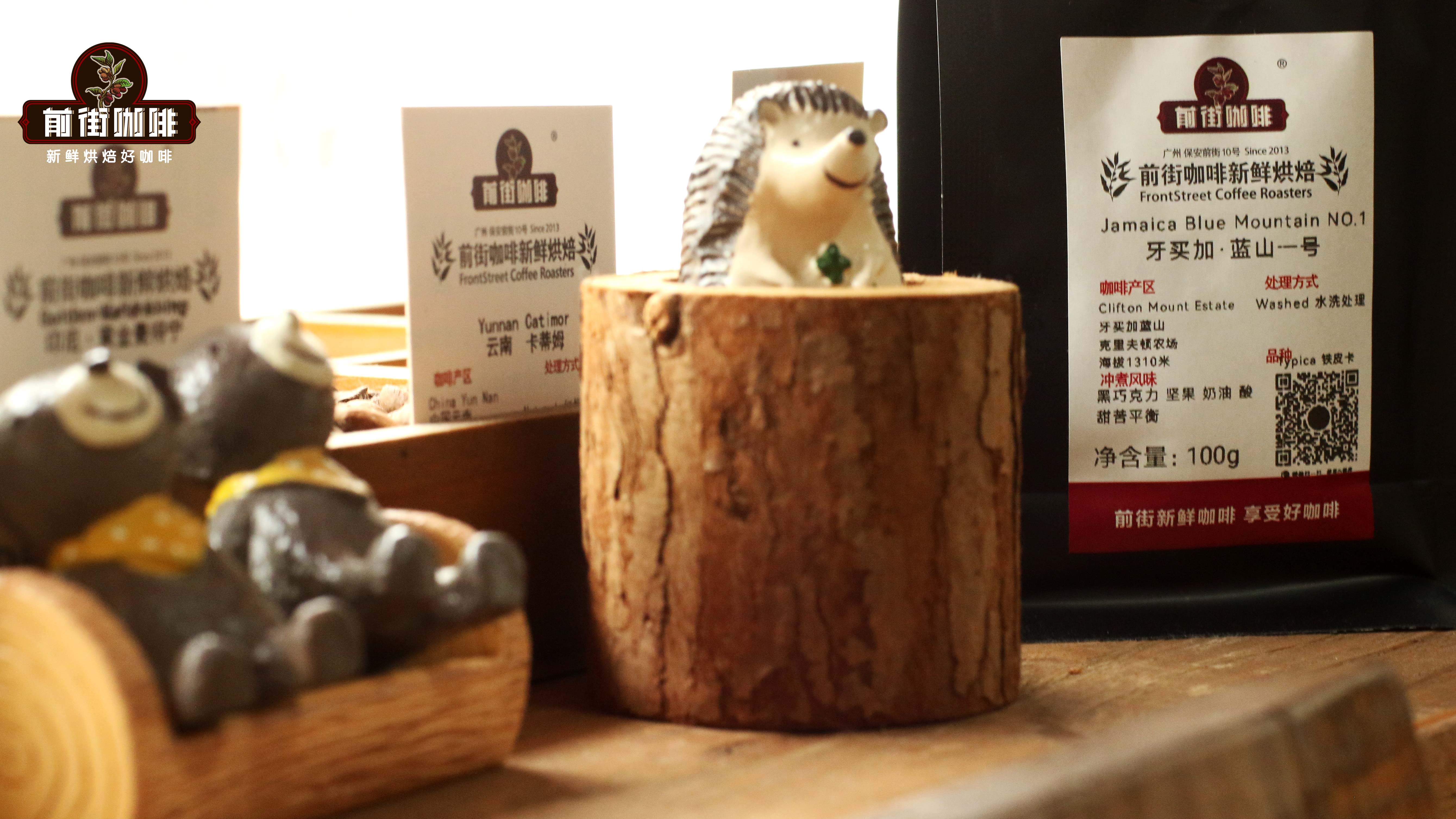
Front Street Jamaica Blue Mountain and Front Street Panama Geisha—one is synonymous with balanced classicness, the other a star bean bursting with fruity aromas. Through a comparison of dry and wet aromas and cupping flavors, this article breaks down in detail the differences between the two in acidity, sweetness, body, bitterness, and aromatic layering, helping you find the cup that best suits your taste. Whether you are a purist pursuing the original taste of coffee or an explorer drawn to rich complexity, you will gain clear purchasing and tasting references from it. [more…]
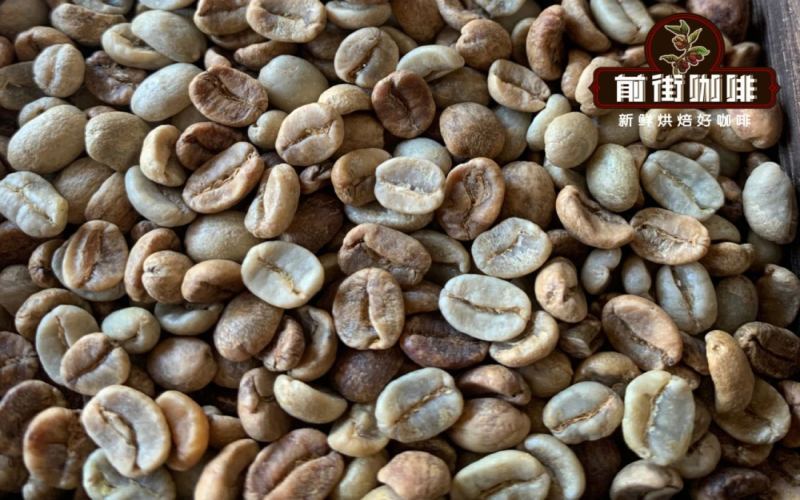
Costa Rica Geisha Double Estate Comparison: Flavor Stories and Variety Characteristics of Little Candle and Mirazu
Geisha originated in Ethiopia, rose to prominence in Panama, and today the high-altitude volcanic regions of Costa Rica also produce Geisha with a distinctive character. Front Street Coffee is bringing two beans this time: a washed Geisha from La Candelilla Estate and a Geisha blend from Mirazu Estate. The former is known for its jasmine fragrance, citric acidity, and honey green tea finish, while the latter presents raisin sweetness, strawberry gummy, and nutty creamy notes. Both beans come from the Tarrazú region, yet each has its own charm due to differences in estate microclimate, variety composition, and processing method. The following sections will go through the estate backgrounds, variety origins, green bean processing methods, roasting curves, and brewing comparisons one by one, helping coffee lovers find the cup they prefer. [more…]
How Is Ethiopia's Gesha Village Different from Panama Geisha? Front Street Coffee Pour-Over Parameters and Flavor Comparison Analysis
Since the Geisha variety was discovered in the Geisha Forest of Ethiopia in 1931, it journeyed through Kenya, Uganda, and Tanzania before finally achieving fame at Hacienda La Esmeralda in Panama. Front Street Coffee this time conducts a cupping comparison between the green-label Geisha from Hacienda La Esmeralda in Panama and the green-label Geisha from Gesha Village in Ethiopia, analyzing everything from dry and wet aroma, flavor layers, to growing altitude and microclimate. Although both belong to the Geisha variety, they present completely different flavor directions due to differences in climate, altitude, and processing methods between African and American origins. This article will also share the three-stage extraction parameters used by Front Street Coffee's baristas to brew Geisha with a V60 dripper, helping enthusiasts highlight Geisha's sweet-and-sour layers and floral-fruity aromas at home. [more…]
Flavor Comparison and Origin Analysis of Gori Gesha and Gesha 1931 Varieties from Gesha Village, Ethiopia
The origin of the Geisha coffee variety lies in the Gori Geisha Forest in Geisha Village, Ethiopia, which is also the original collection site of Panama Geisha. In 2011, Adam and consultant Willem Boot discovered wild Geisha in the forest, confirmed through genetic testing its kinship with Panama Geisha, and selected the plants most closely resembling today's Panama Geisha for seedling cultivation. Geisha Village does not only grow Geisha; it also cultivates the Illubabor native variety, and is internally divided into Auction, Gold, Red, Green, and Chaka lots. Although both are Geisha, the flavors of the Panama and Ethiopian origins are vastly different, with terroir differences being the key. Front Street Coffee takes you on an in-depth look at the variety characteristics and flavor differences of Geisha Village. [more…]
A Full Comparison of Three Famous Ethiopian Coffees: Gesha, Yirgacheffe, and Huakui—Origins, Varieties, and Flavors
Ethiopia is the birthplace of Arabica coffee and, in the minds of coffee lovers worldwide, a region with an exceptionally high quality-to-price ratio. Within this genetic treasure trove, Geisha, Yirgacheffe, and Huakui are collectively known as the "Three Giants of Ethiopian Coffee" thanks to their fame. Although most coffee enthusiasts have heard of them, not everyone can clearly explain the specific differences among the three in terms of regional attributes, the meaning of their names, and flavor expression. From the perspective of Front Street, this article systematically sorts out the origins and development of these three coffees: Yirgacheffe is actually the name of a region, Geisha is the name of a variety but has two references, and Huakui is a commercial name. Only by understanding their identities and flavors can one truly appreciate the rich charm of Ethiopian coffee. [more…]
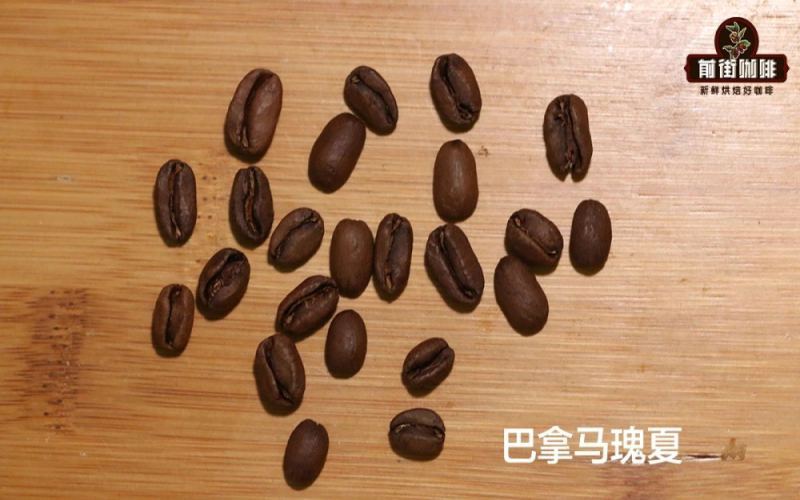
Panama Janson Geisha vs. Bolivia Java: A Full Analysis of Variety Origins, Processing Methods, and Flavor Differences
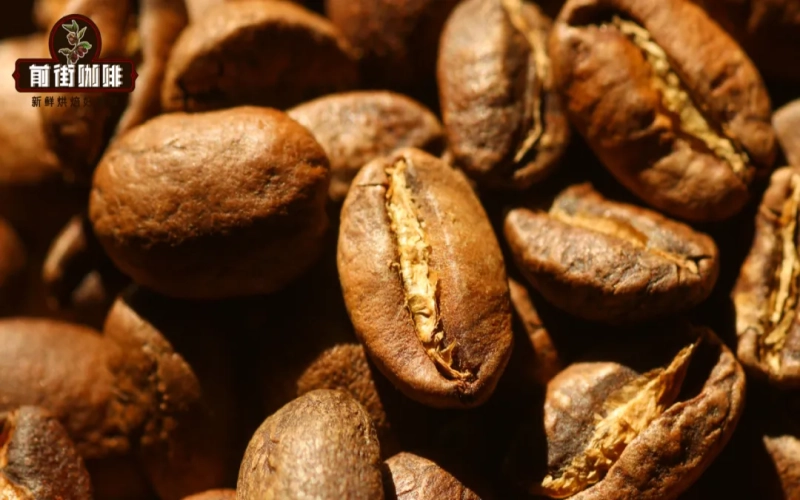
Geisha and Java—one is famed for its floral and fruity aromas, the other is called Geisha's cousin. What exactly sets them apart? Front Street Coffee recently got hold of a Bolivian Java, and took this opportunity to conduct a comprehensive comparison with a Panama Janson Estate Geisha. This article will dissect the similarities and differences between these two natural-process beans, from variety origins, green bean appearance, and roasting curves to cupping and pour-over flavors. Java first originated in the forests of Ethiopia, spread to Indonesia via Yemen, and later made its way to Central and South America; Geisha, on the other hand, set out from the Geisha forest in Ethiopia and ultimately rose to prominence at Hacienda La Esmeralda in Panama. Through actual brewing and tasting, Front Street found that the Janson Geisha has a cleaner mouthfeel, while the Bolivian Java boasts rich layers—each has its own strengths. [more…]
Huakui 6.0 New Harvest Flavor Analysis: Comparison with 5.0 and Hambela Lot Prices
In the specialty coffee world, Geisha and Huakui are two beans you can't avoid. Huakui rose to fame after winning the 2017 TOH sun-dried category championship, and its legendary feat of defeating Geisha in the China region of the World Brewers Cup. Since then, Huakui has been updated year by year with its X.0 series, from 2.0 to 5.0, with flavors and batches constantly changing. In 2022, the Huakui 6.0 green beans arrived as scheduled; Front Street Coffee pre-ordered immediately and received the Hongshun batch, only to find the beans had noticeably more defects. To ensure quality, Front Street Coffee separately sourced another batch of Huakui from the same processing station (buku) and conducted a cupping comparison. This article will detail the flavor characteristics of Huakui 6.0, its differences from 5.0, and the price and purchasing advice for the new-season Hambela Huakui, providing a reference for coffee enthusiasts. [more…]
Flavor Analysis of Geisha vs. Geisha: Variety Characteristics, Hacienda La Esmeralda Grading, and Comparison with Candlelight Mango
Geisha and "Yiji" are actually the same coffee variety, just with different translated names—mainland China mostly calls it Geisha, while Hong Kong and Taiwan use the Japanese transliteration "Yiji." This Arabica variety is highly sought after for its floral aroma and lingering flavor, but low yields, weak disease resistance, and difficult management have kept prices consistently high. For beginners wanting to try the classic Geisha flavor profile, Front Street Boquete Geisha is a good entry-level choice, featuring citrus aromas, honeyed sweetness, and an oolong tea-like quality. Panama's Hacienda La Esmeralda further classifies Geisha into Red Label, Green Label, and Blue Label, with Red Label being the highest quality and Green Label emphasizing its signature flavor. This article also compares the flavor differences between Candlelight and Geisha to help enthusiasts clarify their choices. [more…]